
How Queerness is a Creative Superpower
Five creatives on how being queer charges their creative energy; plus my own story of hiding, hypervigilance, and Britney Spears

Being queer is a creative superpower. I had inklings I was gay from a young age, about 5 years old, when I told my mom I thought a boy was cute. I collected Polly Pockets and would rather play with Barbies and watch “Selena” on repeat than go outside to toss a ball back and forth.
Falling out of the pack led to a lot of solo time, fueling an active imagination. I hunted for wizard’s staffs, devoured books, and dreamed of casting spells. I wrote about short stories about fairies, loved vivid colors, absorbed dramatic television. I looked to pop stars for cues on confidence; Britney Spears became my Patron Saint of Pop Freedom.
This constant awareness of being different made me so hypervigilant about how I was perceived that I unintentionally sharpened my observational skills. Was that guy going to beat the shit out of me because of the high-pitched timbre of my voice? Better fix that. I needed to survive. Observing these minute changes in people’s behavior to avoid pain came in handy later: I was able to enrich my writing and visual art with astute details. I studied queer artists and queer literature in private. My own little secret. Queerness became something sacred.
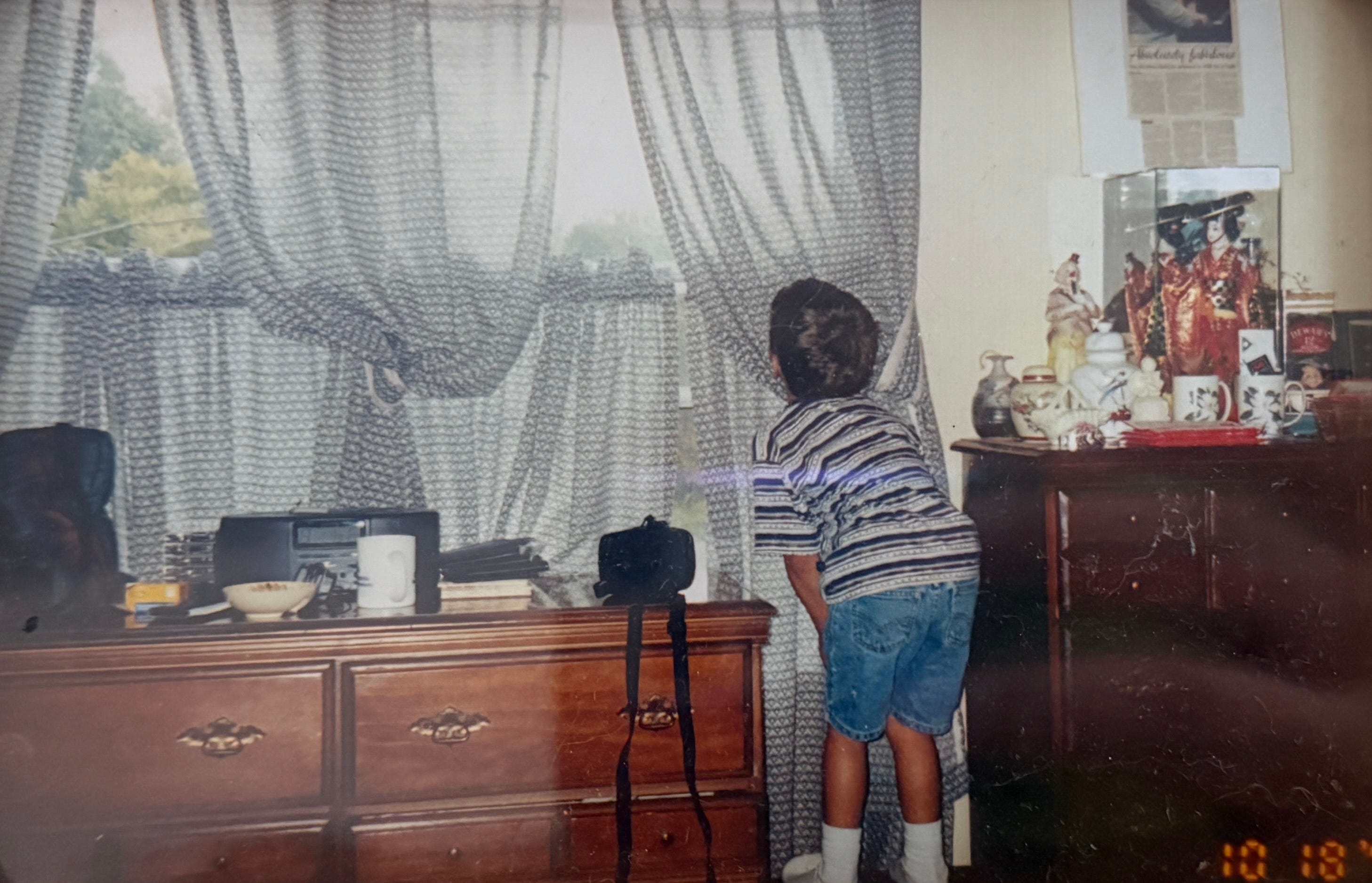
This hiding out from my true self helped me transmute the pain into concentrated emotional work. I was not afraid to spend hours by myself, scribbling in my journal. When I discovered that I love to write poetry in middle school, I could slowly reveal my queerness through thinly veiled metaphors. When I created characters for collaborative writing forums, I could express my femininity. When I created male characters, I would make fan art for them in Photoshop, choosing incredibly hot models without their shirts.
Alongside writing and art, I got into Broadway music. I got into Lady Gaga. I had a Glee poster. I tore off the cover of Rolling Stone that featured Zac Efron’s lower stomach and folded it into a hidden box in my baby-blue colored room. I dodged questions in high school: “Are you gay?” “Why are all of your friends girls?” I emulated editorial photoshoots that I saw on Vogue.com. My queerness gave me an edge, an eye for the fantastical and surreal.
Eventually, when I finally came out of the closet at 16, my mom already knew I was gay. I told her I was bi, which, for me, was the gateway drug to being full-out homosexual, apparently. I made a big, dramatic coming-out Facebook post on National Coming Out Day in my sophomore year of college (after having two boyfriends). Attached was a link to Destiny’s Child’s “I’m A Survivor.” Nobody was shocked. I felt relieved. I got even gayer. More colors, brighter colors, writing articles for the Mississippi State University student newspaper about queer topics, same-sex marriage. I got a warm warning from my advisor: “Are you sure you want to go ahead and write about this kind of stuff?” I sure was. I was finally brave enough. Queerness wasn’t a bad thing to me. I thought it was the coolest thing that had ever happened to me.
With this sense of acceptance, my creativity expanded, and without knowing it, I was fulfilling the framework I would develop—the guiding posts for the rest of my life: The Four Codes of Creative Energy—Community, Craft, Clarity, and Condition.
I joined a show choir, which was frothing at the mouth with queer people (Community). I began learning more about queer art, exploring how my art could fit into the narrative of queer history (Craft). I went to therapy, journaled, meditated through my fears, gained self-awareness about how my queerness impacted my life (Clarity). I danced for hours and hours and hours in gay clubs in the Mid-South (Condition).
Moving to Memphis, I found even more queer people, especially in the creative scene. I learned how their queerness impacted their creative work. It’s been a burning question to me: How does queerness impact creativity?
I’ve set out to explore a little piece of this correlation through a short-form video series called Queer Coded, in which I found five queer artists who embody one of the Four Codes of Creative Energy. Of course, most of them fit all four, but I wanted to narrow the focus.
I learned that, like me, these artists see queerness as a major driver of their work and of how they live fully as themselves. Here's what they told me.
Lisa Berry
Founder of Lisa Berry Presents, a 901 queer social initiative
Embodies the Community Code
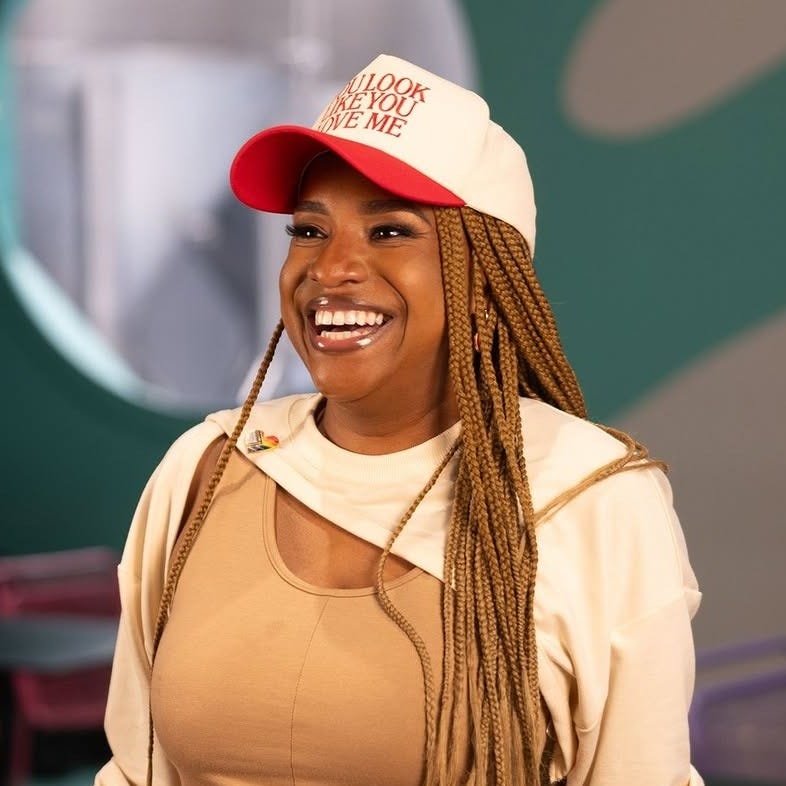
How has your queerness led to Lisa Berry Presents and community building?
Lisa Berry: Years ago, when I lived in Orlando—I left Memphis when I was 19 to do the Disney College Program. While I was there, I was one of only a few queer people. I went with my girlfriend at the time, and there were no other queer events happening around Disney, even though in June Disney had their Gay Days back then.
So I went to Gay Days, and I was like, “I want to actually have conversations with other queer people.” So at 23, I believe, I started Blue Star Events—which actually caused a little mix-up for my first event. I was specifically looking to cater toward the Black community, because everyone around me in Orlando was either white or Latinx, and I was like, “Are there no Black queer people in Orlando?”
So I did the event, but there was also an event coordinator called Baby Blue Star Events. I posted my event on Craigslist, and it brought out so many different people. I hosted it with the support of The Center, the LGBTQ center in Orlando. And with that confusion, it brought out a mixed crowd for my event, because Baby Blue Star is actually a white, masculine-presenting woman.
So I had an entire mixed crowd at my first event, which was speed dating. So it kind of started there. And when I moved back to Memphis, it came right back up for me. I didn’t have the community I’d established while I was in Orlando, and I was like, I need that. That was something I truly—you know, an environment I thrived in. So I had the brunch, and now we’re Lisa Berry Presents.
And what have you noticed about the queer community in Memphis? What are some things it’s brought out in you as a queer person?
Lisa Berry: Collaboration. I’ve always been very independent—I’m a middle child, I did a lot of things on my own. So when I came out with Lisa Berry Presents, I realized this wasn’t just something I wanted; it appears the city was craving it too. There were so many people willing to help, so many people who wanted to be a part of it, who loved what I was doing. And now I get to collaborate across so many different avenues—from DJ parties to art parties to floral parties, so many different collaborations. It brought friends in from so many different corners of Memphis. I love it.
Kai Ross
Conceptual photographer
Embodies the Craft Code
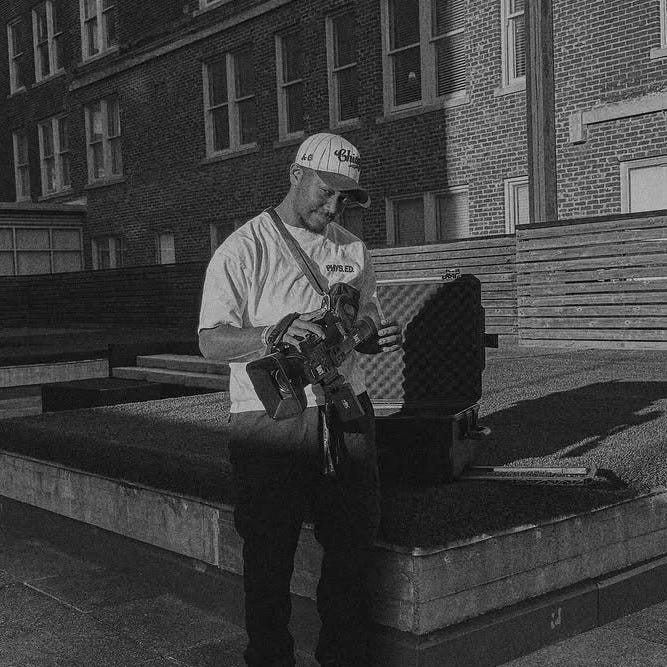
How does your queerness impact your creative craft?
Kai Ross: I started getting into photography when I was in Los Angeles. I went to film school first, and I discovered that I do not like film at all, whatsoever. So I started doing conceptual photography. But because I really loved screenwriting, I would continue to write these stories, and I would just pull my visuals from that. And I think one of the first stories I did was a little short called “Purple Guns,” and it was a very, very queer film.
And that’s when I discovered that I had a calling, like a duty to make sure I had queer representation in my art.
The project I’m working on right now is a perfect example of that. It’s a visual mixtape, and it’s a study on perception. It’s about the way that love, grief, and identity affect the way I see and create art.
And so for me—I went through my first long-term queer relationship, and during that process I was struggling with making art. It went from being for her, to about her, to for her, to about her.
I guess I kind of realized that the way I feel in love—or even in my grieving process from that relationship—heavily affects the way I want to showcase their story to the world. Because I don’t want to hurt anyone, but at the same time, I want to tell my story. But then it’s like, I feel so differently day to day. Like, one day I’m in love with you, one day I hate you. It’s a rough process to go through. That’s what I have to make my art about. I’ve been so busy trying to pinpoint one thing, or one way I feel, when I really should study the motions of those feelings, and why it changes.
But yeah—queerness in art. We go through those love and relationship things so heavily, so deeply, to where it really has no choice but to penetrate our art.
Mia Saine
Illustrator, graphic designer, creative director
Embodies Community and Craft Code
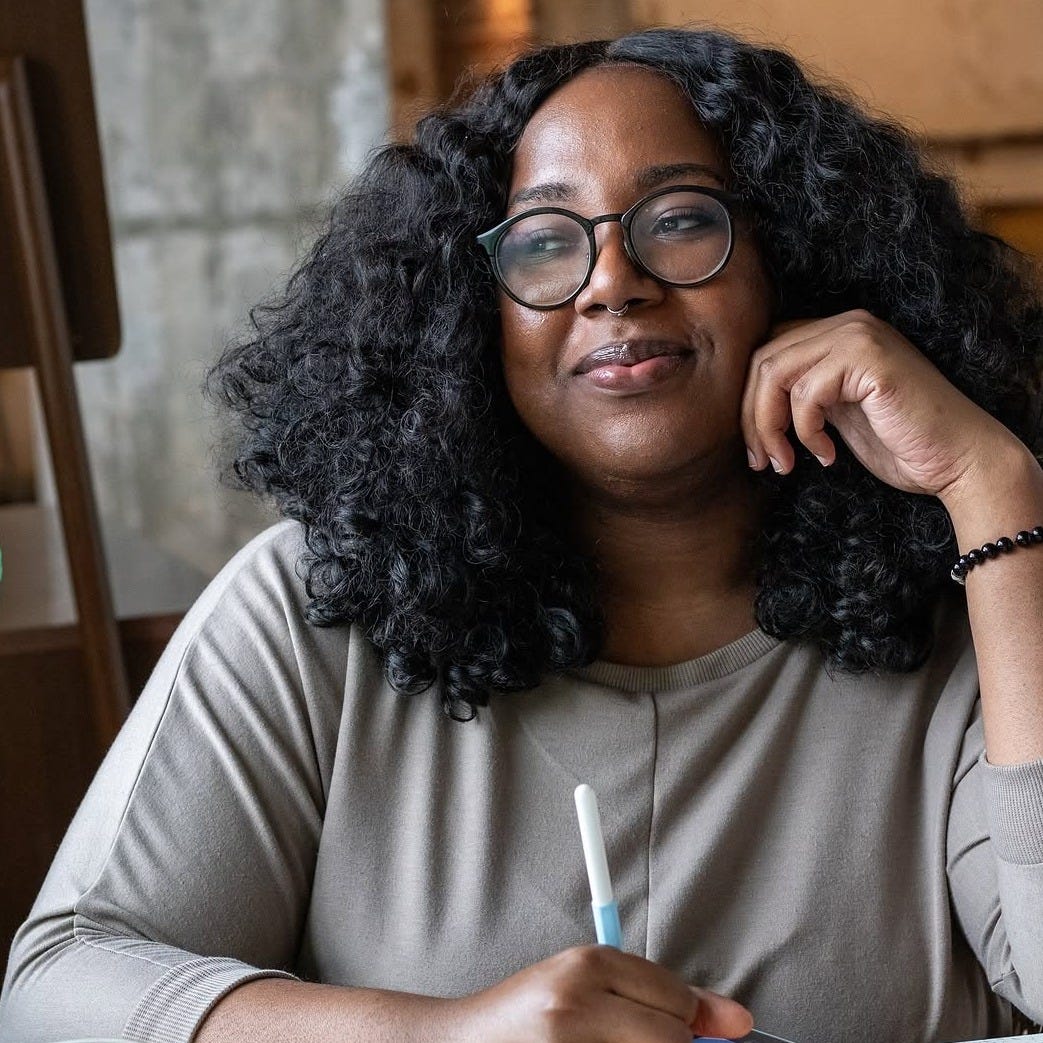
So how does your craft impact your queerness and vice versa? How do they work together?
Mia Saine: My queerness reflects in my craft, basically through representation. I’m very mindful of being honest about the people I see on a day-to-day basis, who I believe really represent what love is. And so for me, I just really love not subscribing to the binary, or to the very traditional, conservative—whatever you want to call it—illustrations and protocols. Like, I’m really exploring different ways to represent this amount of love that’s limitless.
So sometimes, especially working with commercial and corporate people, they want you to use these go-to style skin tones and ways of representation. And I’m just mindful, like, hey—how can we expand this so no one feels left out? So this includes not just the regular queer folks you may see. You might deal with people who are missing limbs, who need extra accessories so they’re able to live and be great. You have certain people who have conditions that are invisible, and some people who have them that are visible.
How do queer people in Memphis inspire your creative process?
Mia Saine: Oh, the queers in Memphis tremendously influence my artistry. Pretty much, I’ve been learning how to love myself way more, in a healthy way. And it doesn’t have to be with substances, not with having to over-engage with people—just understanding that, hey, this person is here for me when I’m not my best, and this person is here for me when I am at my best. And it’s pretty much allowing me to feel the grief of who I was and becoming who I’m going to be.
And that doesn’t look the same at all. I’m telling you—I had green hair at one point, and what the hell was that? I was so mad at that. I mean, I thought it was so cool, anyway. But I’m really happy that I’m just able to be myself.
In my 30s, I’ve been able to embrace and embody my fluidity and my love in a way I had a hard time with in my 20s and my teens. So this is kind of like a—I don’t know, it’s like a transitioning phase for me right now. So I’m very thankful for my community. It’s been good.
Shay Hudson
Licensed Master Social Worker and certified nature & forest therapy guide
Embodies Clarity Code
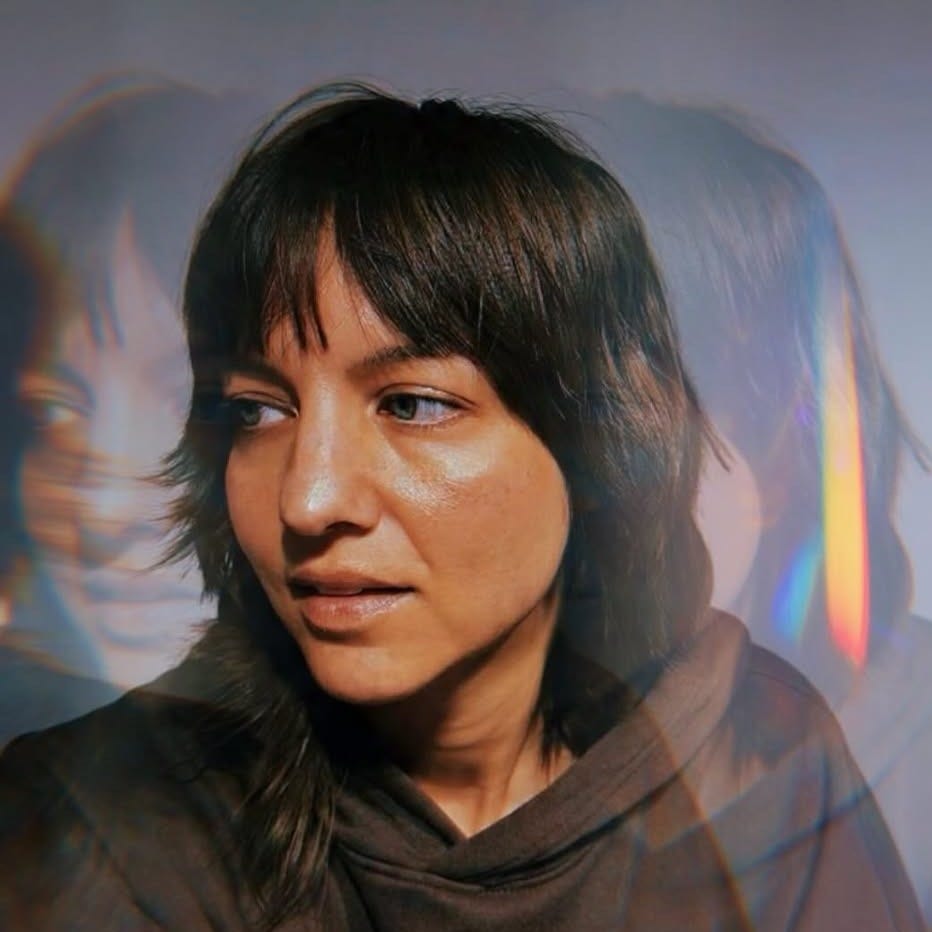
How does your queerness impact your clarity?
Shay Hudson: My attachments with nature kind of started early on, when I realized that there are parts of myself that may not be acceptable to the people in my life. But I realized I could go be with trees, and I could sit with the flowers, and I could just have a moment with nature and the beings around me. And I felt fully accepted.
Acceptance is the root of clarity. For me, I think once I was able to accept who I was, then I was able to be really clear about who I was. And then I felt just so much peace around that for me.
Carmen Monét
Singer, writer, content creator
Embodies the Condition Code
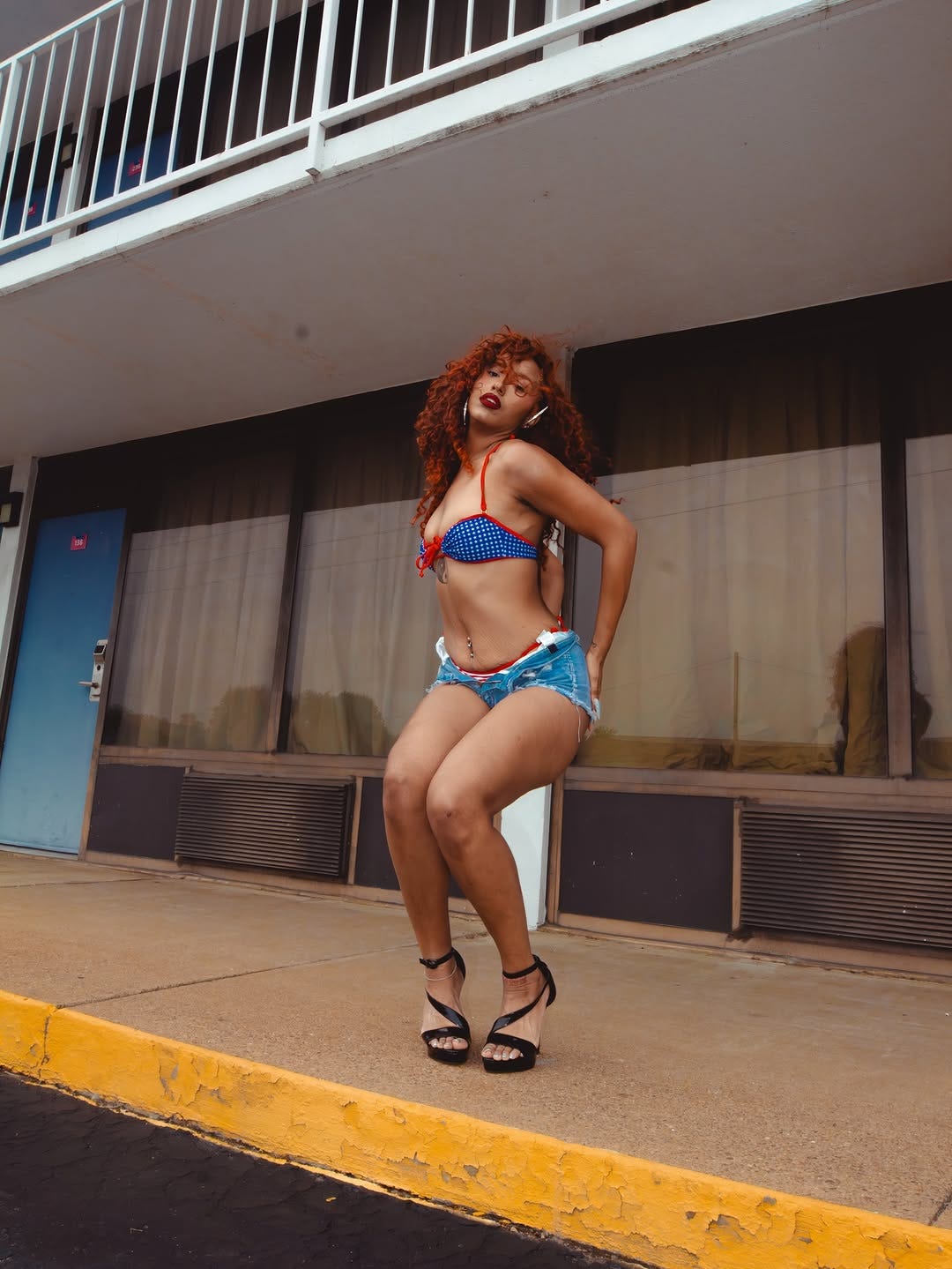
How does your queerness affect how you view your body, how you move your body? How do they impact each other?
Carmen Monét: Honestly, I feel like my queerness and my fitness really just go hand in hand with everything. I’m not going to lie to you, because my queerness really taught me how to be the fullest version of myself. It is my queerness that inspires me to want to figure out who I am in any and all capacities. So even when I think about my queerness and how it’s affected my body, I’ve only wanted to show more, only wanted to celebrate more—because that’s what I associate queerness with: pride. Actually finding pride not just in your sexuality, but in who you are. So I would say they go hand in hand.
I feel like my queerness walks alongside me in this life—and really, so does my creativity. I feel like I’m the type of person to see life in colors, whether they’re gloomy or vibrant or muggy. Like, whatever that color is, I see the color, I honor the color. But then I also try to bring joy to that space. I feel like queerness has gifted me the opportunity to see life in a completely different capacity, because it shows me that nothing—nothing—is what it has to be according to anybody else besides me. And life is the same way.
Like, life is full of colors because I say so. Life can be beautiful because I see the beauty in every single thing. And I think queerness is beautiful, and queerness allows you to see the beauty in every single thing.
At the core, all five artists told a similar story of queerness: they transformed feelings of isolation, intensity, shame, and rejection into a vision and a colorful way of life. Strange became a thing of beauty. They built communities when there wasn’t one to accept them. They picked apart strange, complex feelings and poured them out with the creative process. They communed with nature, with stillness, and got clear on who they were. They became proud to move in their bodies.
Acceptance and full-bodied expression of queerness drives creative energy. It’s that aliveness that was not allowed to be exposed.
Over time, it thickened, layered, formed into an energetic force. It had no choice but to burst forth.